Description
Bangalore Microgreens: Mitigating GHGs and Cultivating Food Resilience through Urban Hydroponics
Introduction:
Bangalore Microgreens is an initiative that harnesses the water-efficient method of Hydroponic vegetable cultivation, in urban areas, to increase food resilience. By establishing a network of Hydroponic Rooftop Community Gardens across the city, we enable year-round cultivation on rooftops, optimising the usage of space as well as aesthetics.
Purpose:
This provides fresh, locally grown produce, giving access to healthy, pesticide-free options and with little to no dependance on long-distance transportation for vegetables, results in lowered greenhouse gas emissions. Also, working within urban areas allows us to foster community engagement and bring the society together to maintain the garden, thereby promoting social interaction and environmental stewardship. Members of the community who are interested will also be assisted in setting up their own rooftop gardens.
Fund Utilization:
With the funds raised, we aim to expand the cultivation area to cover approximately 500 Sq. ft. of rooftop space to supplement a small housing community's food requirements, allowing us to produce more variety and quantity of vegetables, and thereby reduce the carbon footprint of vegetable cultivation. This expansion will enable us to invest in additional infrastructure, such as raised beds, irrigation systems, and greenhouse structures, to optimise growing conditions and increase yields. By expanding our operations, we can diversify our crop selection, improve food security, and better meet the nutritional needs of our community. Additionally, the funds will support ongoing maintenance and upkeep of the expanded garden, ensuring its sustainability and long-term viability as a source of fresh, locally-grown produce.
Current Project Update
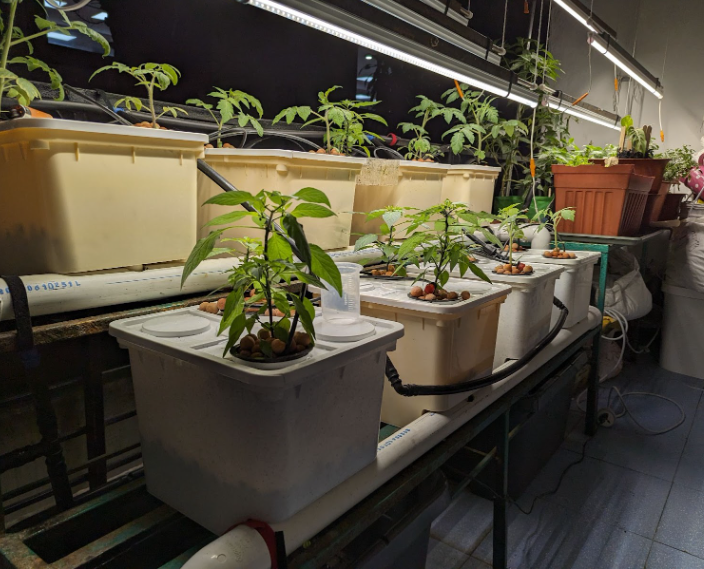
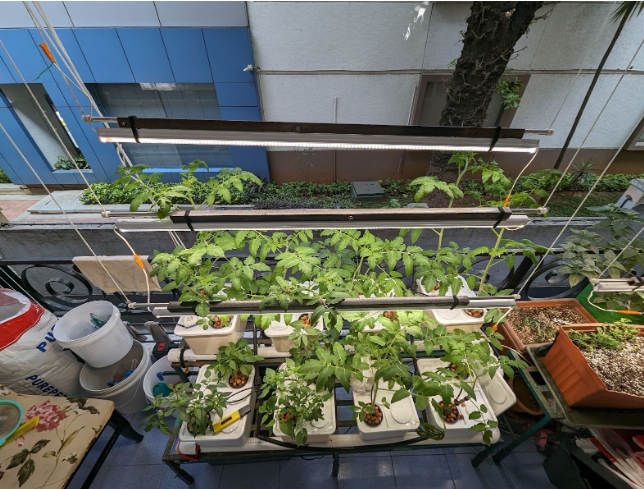
8 dutch bucket hydroponic system in a 2’ x 5’ space to grow tomatoes and peppers
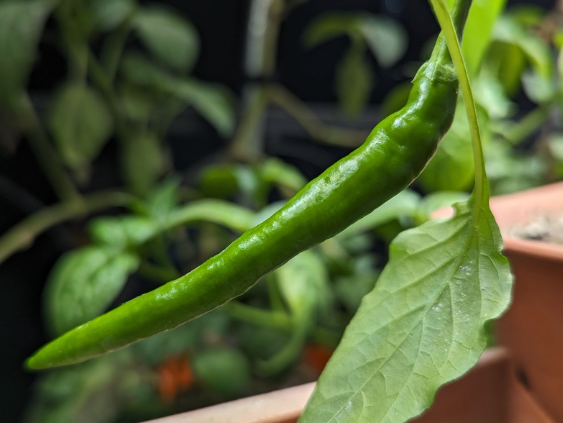
Both have fruited and are waiting on harvest.
How do we contribute to Public Goods
Our commitment lies in our ultra-hyperlocal approach to food production, where the food cultivated is consumed exclusively by the immediate local community. With the focus on promoting food sovereignty and resilience within the community, this model promotes food production, distribution, and consumption, reducing reliance on centralised systems and empowering individuals to take control of their food sources. The gardens will also be open and accessible to the community with no restrictions.
GHG Reduction Strategies
Our strategies not only contribute to mitigating climate change by reducing GHG emissions but also promote sustainable urban development and resilience to environmental challenges, by focusing on decreasing reliance on long-distance transportation for vegetables, which in turn lowers emissions associated with transportation. By cultivating vegetables in an urban rooftop environment, we are converting unused spaces into green-producing areas thereby maximising space usage, and providing valuable insights to members of the community on how they can set up their own spaces. .
Impact Measurement
Reduction in greenhouse gas emissions from decreased transportation
Economic impact: Reduction in household spending and transportation costs
Community engagement: Participation in events and workshops
Nutritional impact: Changes in dietary habits and health outcomes
Team:
Sandheep - Project Lead & Hydroponics Specialist