Description
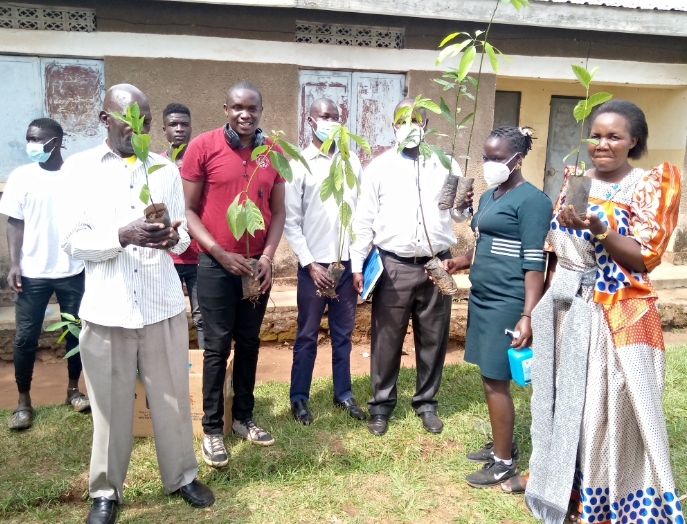
AYOWECCA UGANDA’s wide range of programs provide support in some of the poorest and most underprivileged communities in Uganda, East Africa. We work with wetlands, peatlands and ecosystem restoration to help address climate change; we also plant fruit trees in schools, health centers and communities to fight food insecurity, increase plantations and provide forest cover.
Besides agroforestry/permaculture, plastic wastes and management and energy conservation, AYOWECCA UGANDA also trains young adolescent girls on how to make reusable sanitary towels and provides scholastic materials to the most vulnerable to attend and access education and creates awareness among communities to actively empower women and children.
Since AYOWECCA UGANDA is community founded, our activities are community based to benefit the local people facing both social and environmental challenges.
Update
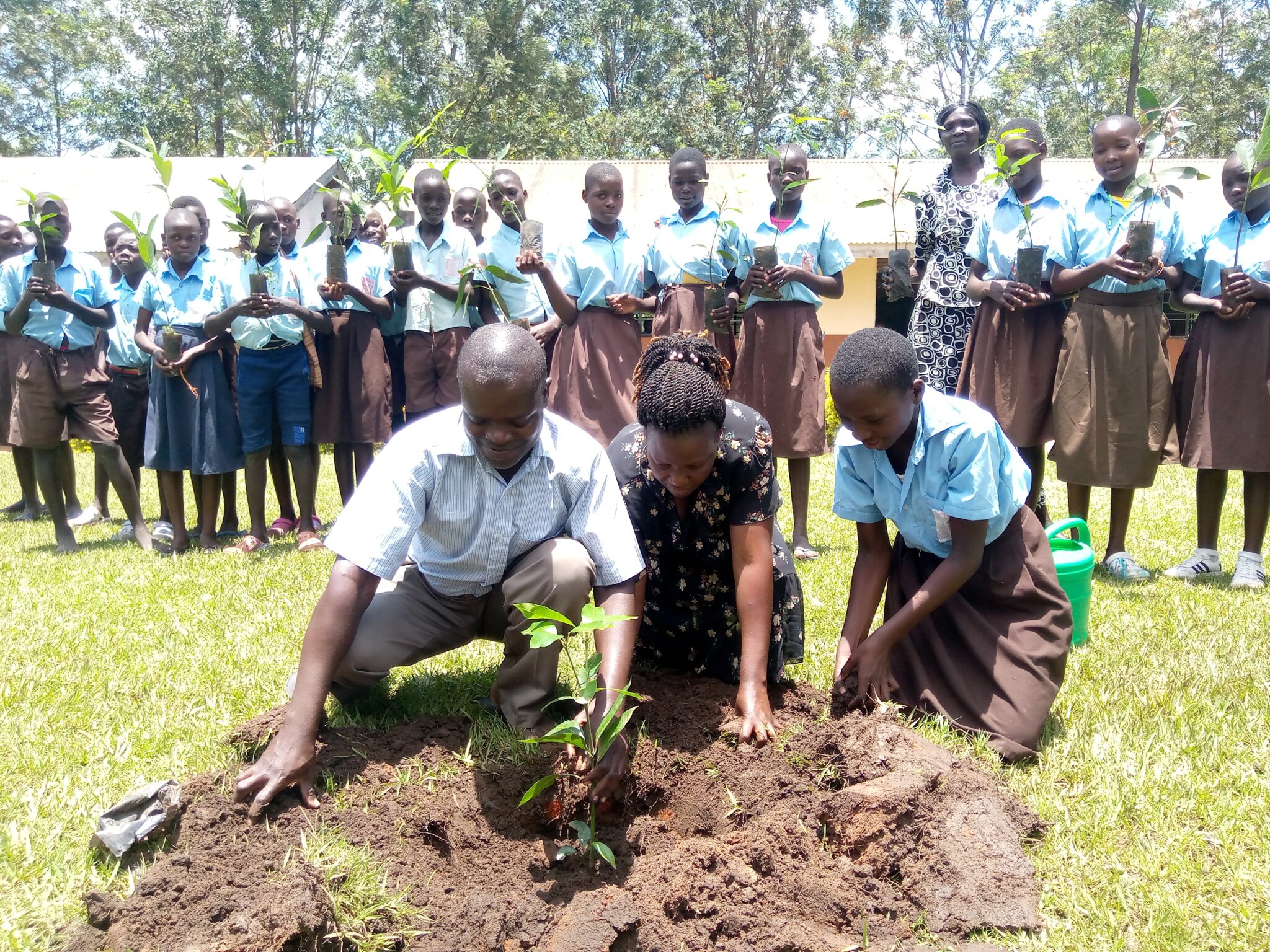
22,000+ fruit trees have been planted in 78 schools and 54 health centers
2,500+ children receive scholastic materials every year
7 wetlands have been restored
765 girls and women have been trained on making reusable sanitary towels
The funds we received from the Gitcoin Beta Round are being used for the reconstruction of our nursery bed/greenhouse. The nursery was constructed with wood poles that have been destroyed by termites, and we are replacing them with metal poles that will last longer. In addition, the funds help us to continue to plant fruit trees in schools, health centers and churches, as well as to train farmers and run climate awareness and education campaigns.
For GG18, we request that with your support, we would love to start a community skilling center and demonstration farm. Our vision is that by next year, many of our Gitcoin supporters can visit our farm and recommend interns for our organization.
Problem

Climate change is a fact, and it is widely acknowledged that the world is in the midst of a global warming crisis. Human activities such as fossil fuel combustion and land use change have released greenhouse gas (GHG) into the atmosphere, which is the primary driver of recent climate change. Land use such as agriculture alone, discharges more than 6 billion metric tons of GHG into the atmosphere each year. Because of the increased severity of climate change impacts in some areas, the consequences have been more severe and disastrous.
In Uganda, Climate change is a serious problem, affecting livelihoods. The country experiences prolonged drought, short and erratic rains which are disastrous and affect agricultural production, the backbone of the country. Also, due to disparities in traditional roles, societal expectations, and livelihoods, men and women are affected differently by climate change. Women account for the bulk of Uganda's population of 23.19 million people. They have lower wages, less access to credit and decision-making power, and less control over resources, all of which make them more vulnerable to climate change. It’s therefore important to consider differences when tackling the issue of climate change.
Solution
Agroforestry/permaculture/regenerative agriculture has emerged as a major instrument in the fight against climate change in recent years. It's a widely accepted answer to the twin problems of climate change and food insecurity. It's one of a number of innovative strategies targeted at increasing production while also assisting in the mitigation of climate change by increasing carbon sequestration and boosting the system's ability to cope with the negative consequences of climate change.
This project aims to promote agroforestry/permaculture/regenerative agriculture for climate change mitigation and the development of vulnerable groups' livelihoods, such as women, by planting fruit trees alongside food crops
Over the past decades wetlands are seen as wastelands yet wetlands play a crucial role as far as regulating our climate system. Our climatic system is significantly regulated by wetland ecosystems. They serve as a large sink for greenhouse gases, trapping carbon and preventing it from entering the atmosphere, but they can also act as sources of some GHGs, particularly methane (CH4) when disturbed which increases climate change. Without neglecting the myriad ecosystem services they offer, wetlands protect against flooding, provide habitat for fish and shellfish reproduction and rearing, and support ecotourism, source of food like fish, cultural heritage and local herbs, to mention a few.
We used to have two seasons for rainfall when I was growing up. But as a result of climate change, we now suffer unpredictable shorter or longer rainy seasons as well as severe droughts. Wetlands have been destroyed, bird and tree species have vanished, there have been extreme weather events in various parts of Uganda,as a result of the effects of climate change and environmental destruction, all of which are a result of human activity.
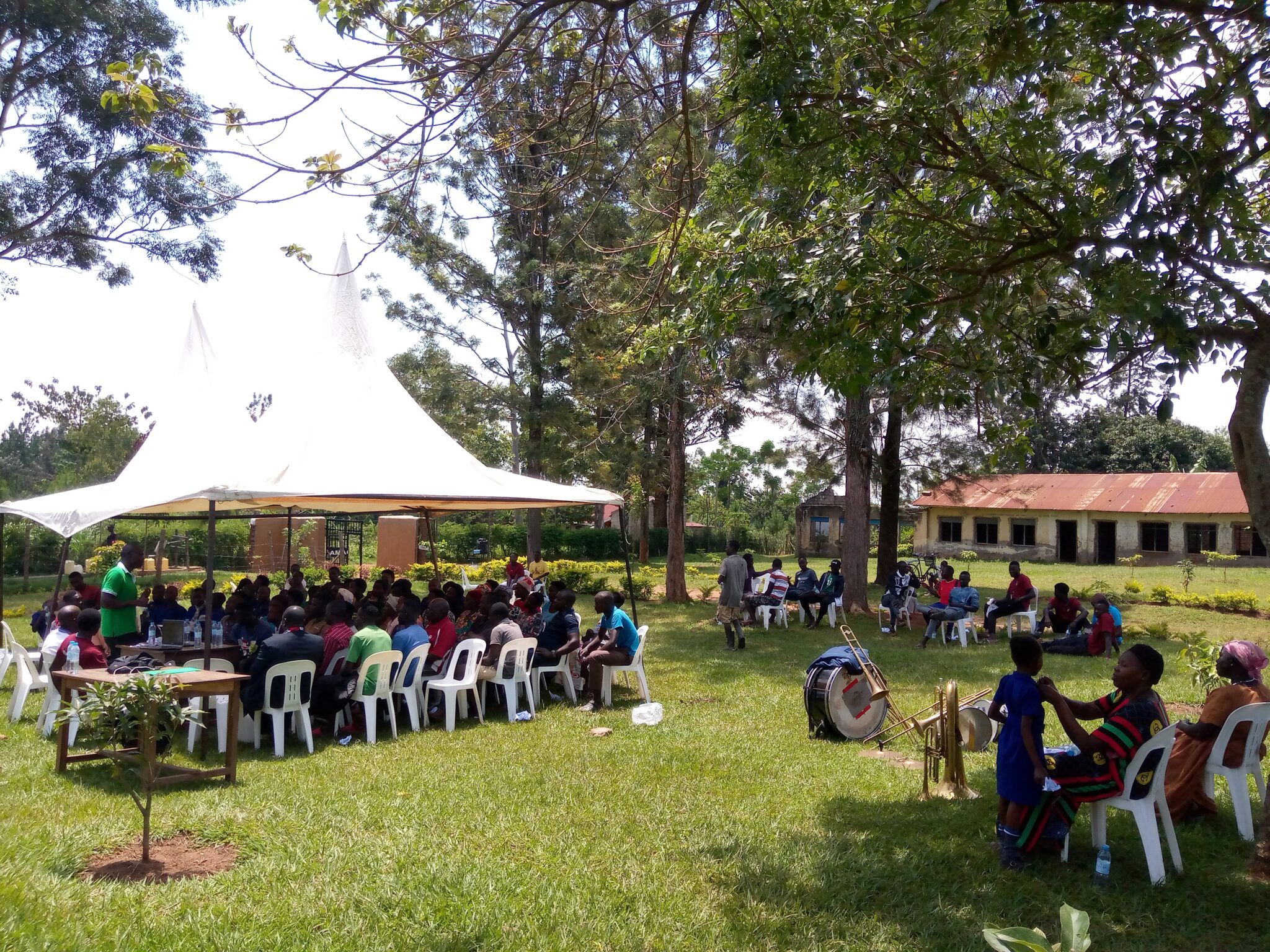
At AYOWECCA UGANDA, we train rural farmers on regenerative agricultural methods/smart agriculture that are environmentally sustainable, mapping agricultural practices in carbon credits. promoting agroforestry and permaculture where farmers can plant fruit trees besides growing food or cash crops, learn how to make organic manure and pesticides.
Besides that we have a charity which works in communities as a sign of (mobilization), climate change awareness and education, crypto education, tree planting and wetlands and peatland restoration campaigns, workshops, storytelling, giving seeds to farmers.
Project Objectives
Objective 1
- Sensitize stakeholders on the importance of Agroforestry/permaculture/regerative agriculture.
- Form groups among communities and train them in agroforestry practices.
- Enhance the capacity of 1000 households in 50 groups to raise and plant seedlings on their individual/community farms.
- Establish nursery beds for raising seedlings to supply schools, health centers and across Tororo District.
- Train rural farmers on regenerative agricultural practices including making organic manure and pesticides.
Objective 2 - Procure training materials for agroforestry/permaculture demonstrations.
- Establish agroforestry seedlings/permaculture sites per Sub County.
Objective 3 - Distribute seedlings to their individual members/community members.
- Supervise and monitor planting by their members.
- Intercrop established plots with Agricultural crops.
Objective 4 - Distribute seedlings to schools, health centers, churches and to the communities.
- Supervise and monitor planting of trees in schools, health centers and churches.
We welcome anyone or any organizations willing to work with us to make this world a better place for everyone as partners and collaborators.